

DTF vs Heat Press: Which Is Better for Your Custom T-Shirt Business?
Understanding the Confusion
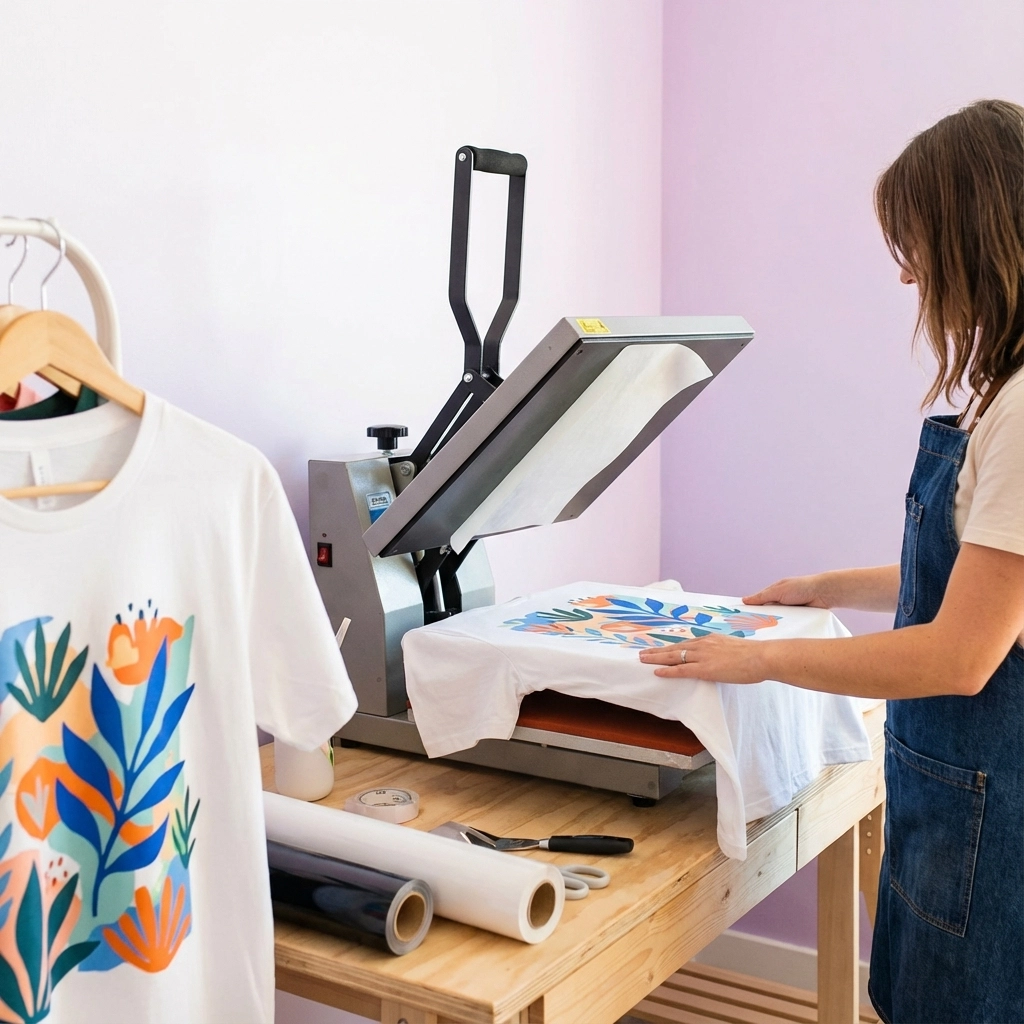
Let's clear something up right away. You're not comparing apples to apples here. Heat press is equipment, not a printing method. What you're really deciding between is DTF (Direct-to-Film) printing and HTV (Heat Transfer Vinyl) – both of which actually use a heat press machine.
Think of it like asking "car vs steering wheel" – the steering wheel is part of the car, just like a heat press is part of most custom t-shirt processes.
What is DTF?
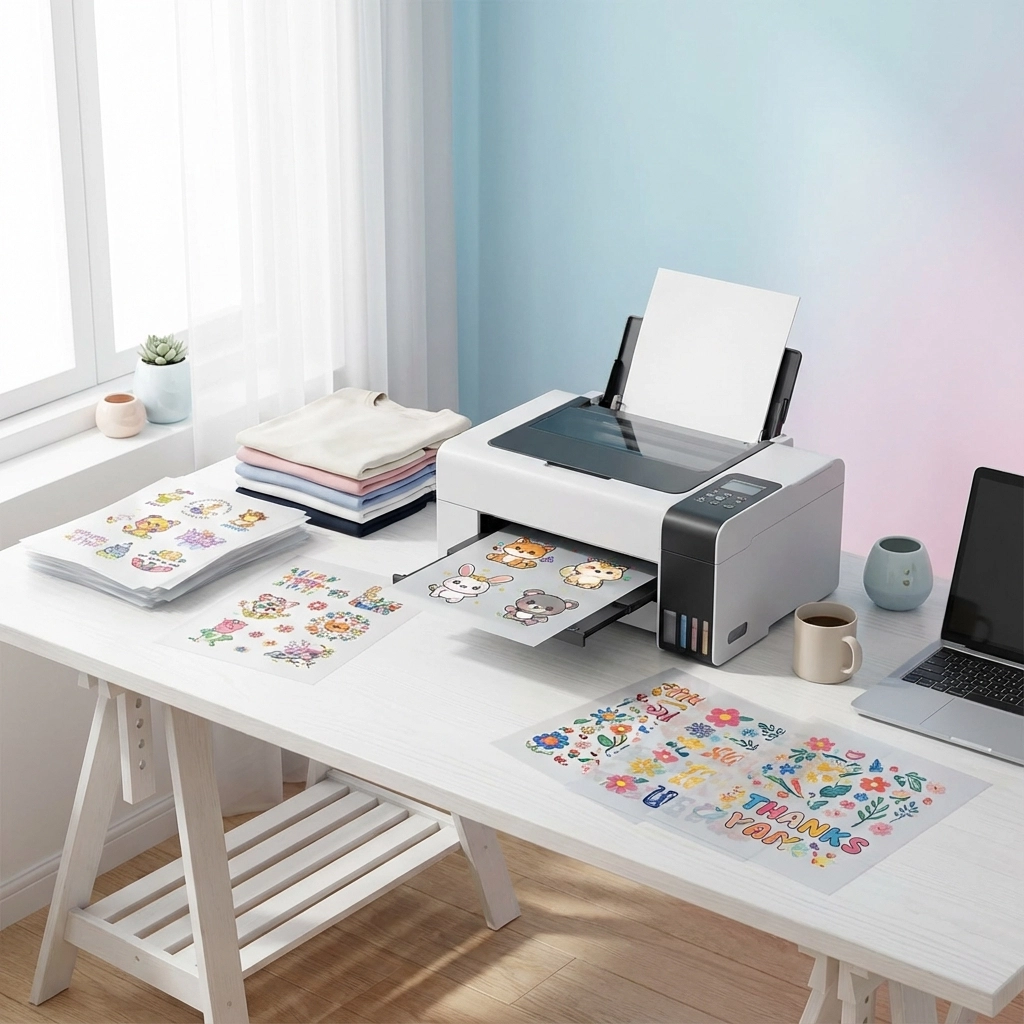
DTF stands for Direct-to-Film printing. You print your design onto a special film, apply adhesive powder, cure it, then use a heat press to transfer it onto the shirt. It's relatively new but gaining serious traction.
Key DTF features:
- Prints full-color, photo-realistic designs
- Works on cotton, polyester, blends, and even leather
- Soft feel after application
- No weeding required
- Great for complex designs
What About Heat Press Methods?
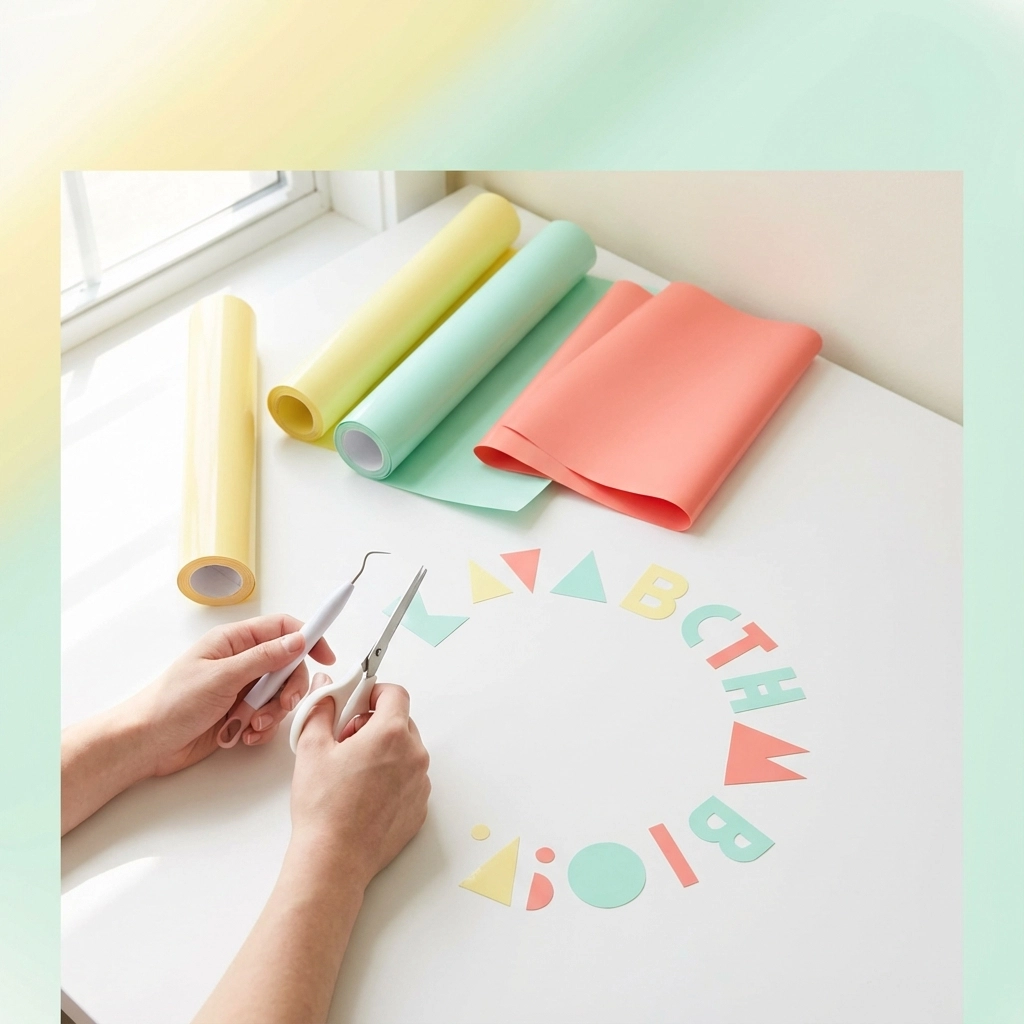
When people say "heat press," they usually mean Heat Transfer Vinyl (HTV). This involves cutting designs from colored vinyl sheets and pressing them onto garments.
Key HTV features:
- Cut from pre-colored vinyl rolls
- Requires weeding (removing excess material)
- Best for simple designs and text
- Lower startup costs
- Works great on cotton and cotton blends
Startup Costs
DTF Investment: $3,000-$15,000+
- DTF printer: $1,500-$8,000
- RIP software: $200-$500
- Heat press: $200-$1,500
- Curing oven: $300-$1,000
- Monthly ink/film costs: $200-$500
HTV Investment: $500-$2,000
- Vinyl cutting machine: $200-$800
- Heat press: $200-$1,500
- Vinyl rolls: $50-$200 initially
- Weeding tools: $20-$50
- Monthly vinyl costs: $100-$300
Winner for beginners? HTV wins on startup costs.
Design Capabilities
DTF destroys HTV here. DTF handles intricate details, gradients, photographs, and unlimited colors. You can print that customer's family photo or their dog wearing a superhero costume – no problem.
HTV limits you to the colors of vinyl you have in stock. Complex designs require layering multiple colors, which adds time and cost. Forget about printing someone's vacation photo on HTV.
DTF design advantages:
- Unlimited colors in one pass
- Photo-realistic quality
- No color limitations
- Complex gradients and effects
- White ink capability for dark shirts
HTV design limitations:
- Limited to available vinyl colors
- Simple designs work best
- Each color requires separate cutting and application
- No photo printing capability
Production Speed
For single shirts: HTV might be faster for simple designs. Cut, weed, press – done in 5-10 minutes.
For bulk orders: DTF dominates. Print 20 transfers at once, then press them individually. DTF printing takes 2-3 minutes per shirt regardless of design complexity.
HTV weeding time kills efficiency. A complex design with multiple colors can take 30+ minutes just for weeding, plus individual pressing time.
Quality and Durability
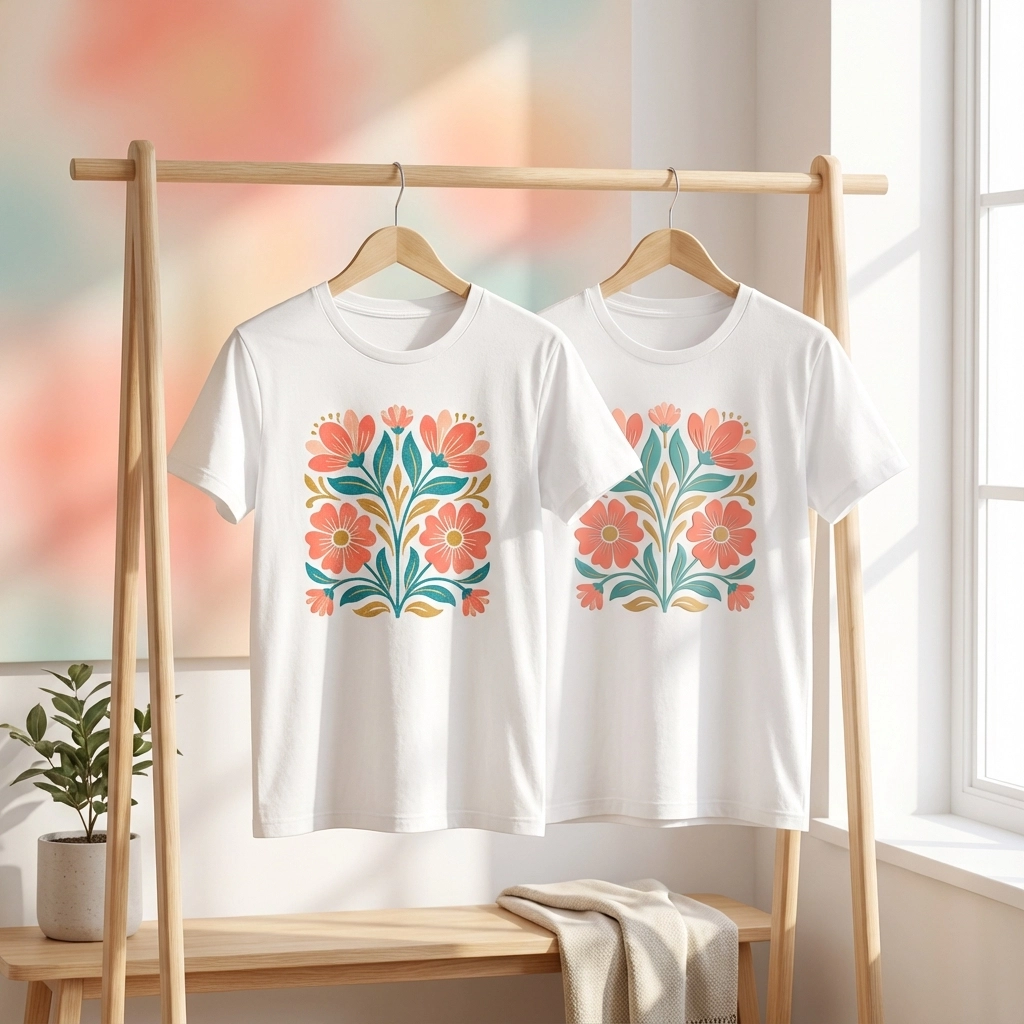
DTF creates a softer feel. The ink actually penetrates the fabric fibers, creating a more natural texture. Modern DTF inks are engineered for wash durability.
HTV sits on top of the fabric. It's more noticeable to touch and can crack or peel over time, especially with frequent washing or stretching.
Wash test results:
- Quality DTF: 50+ washes with minimal fading
- Premium HTV: 25-40 washes before noticeable wear
- Cheap HTV: 10-15 washes before problems
Fabric Compatibility
DTF works on almost everything:
- 100% cotton
- 100% polyester
- Cotton/poly blends
- Leather
- Canvas
- Even some performance fabrics
HTV is pickier:
- Best on cotton and cotton blends
- Struggles with 100% polyester
- Temperature-sensitive fabrics can be problematic
- May not adhere well to textured surfaces
Business Model Fit
Start with HTV if:
- Budget under $2,000
- Focusing on simple text and logos
- Doing small custom orders
- Testing the market first
- Working from home with limited space
Choose DTF if:
- Ready to invest $3,000+
- Want unlimited design capability
- Planning for growth and volume
- Targeting photo and complex design markets
- Have dedicated workspace
Profit Margins
HTV margins: Higher material costs but lower equipment investment. Expect 200-400% markup on simple designs.
DTF margins: Lower per-unit material costs but higher equipment investment. Expect 300-600% markup once you hit volume.
The crossover point: Around 50-100 shirts per month, DTF becomes more profitable.
Learning Curves
HTV learning curve: 2-4 weeks to master. Biggest challenge is efficient weeding and proper heat/pressure settings.
DTF learning curve: 4-8 weeks to master. More variables to control – ink settings, powder application, curing temperatures, and pressing parameters.
Our Recommendation
For beginners: Start with HTV. Learn the market, build your customer base, and master heat press techniques. When you're consistently selling 100+ items monthly, consider upgrading to DTF.
For serious entrepreneurs: If you have the capital and workspace, DTF offers better long-term potential. You'll capture more design opportunities and scale more efficiently.
The hybrid approach: Many successful shops use both. DTF for complex designs and large orders, HTV for simple text and rush jobs.
Bottom Line
Neither DTF nor heat press methods are universally "better." Your choice depends on budget, goals, and target market.
HTV gets you started affordably with simple designs. DTF opens unlimited creative possibilities but requires serious investment.
At Shearin Creations, we've seen businesses succeed with both approaches. The key is matching your method to your market and growing strategically.
Ready to start your custom t-shirt journey? The best method is the one you'll actually use consistently to serve your customers.